ZHENGOU GroupZHENG'OU

Anwendung

Elektronik & neue Energien

Elektrostatische Entladung zerstört Produkt und schlimmstenfalls Menschen. Antistatische Systeme mit kontrolliertem Oberflächenwiderstand, dazu Chemikalienbeständigkeit gegen auslaufenden Elektrolyt.

Was dieser Boden aushalten muss

Verstehen Sie das Versagensmuster, bevor Sie ein System wählen.

  1. 01

    A single static discharge destroys components — and can ignite solvents. Surface resistance must be controlled and grounded.

  2. 02

    Electrolytes and process chemicals spill; the floor has to resist them, not just survive them.

  3. 03

    Cleanliness expectations are high: the floor should not shed dust and must be easy to wipe clean.

  4. 04

    Production lines keep running; upgrades and repairs have to fit short shutdown windows.

Elektronik & neue Energien

Empfohlene Beschichtungssysteme

Ausgewählt nach Belastung — es gibt kein Universalsystem, nur das, das passt.

02

Anti-static self-levelling system with epoxy mortar build

Schichtaufbau
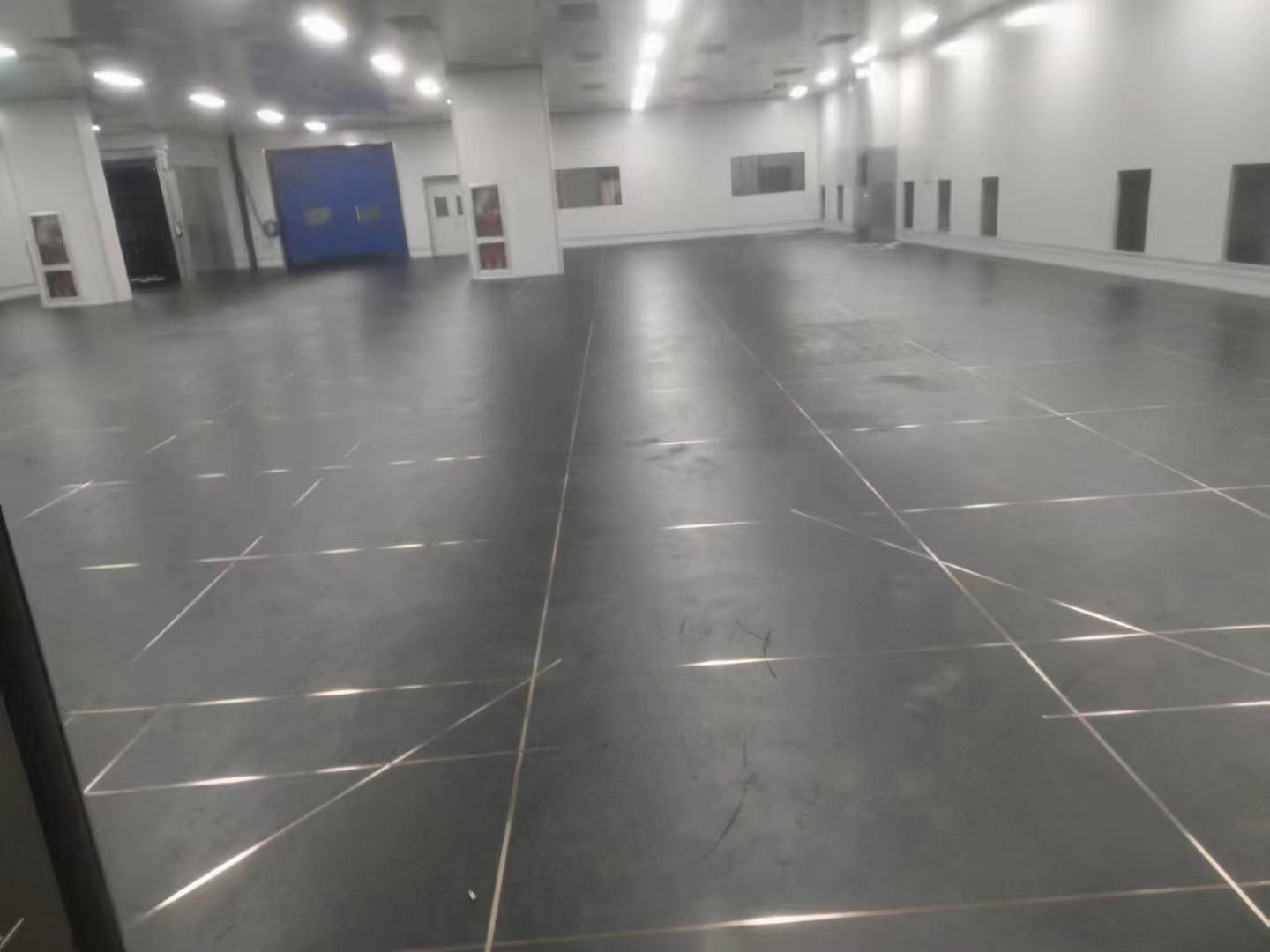
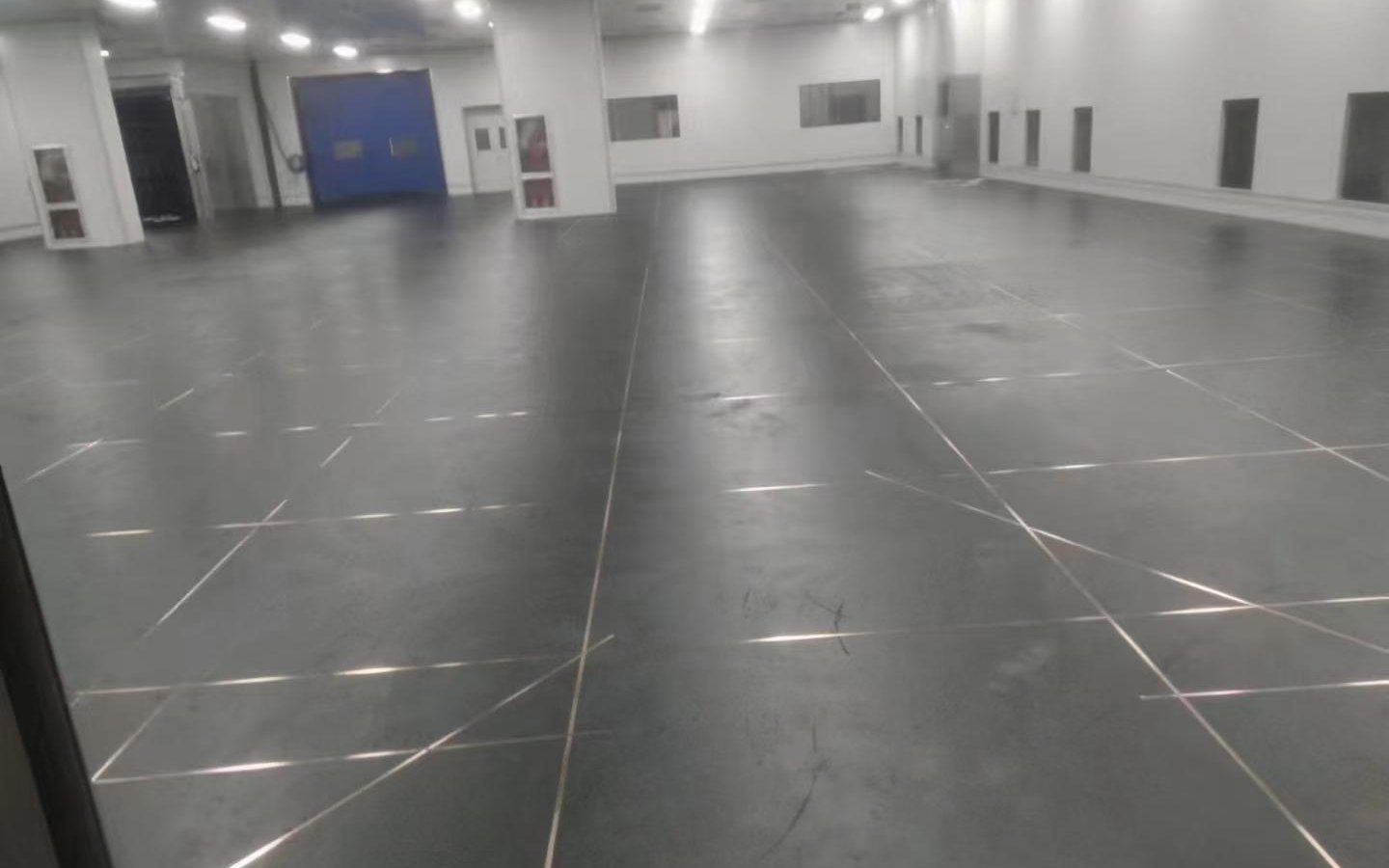
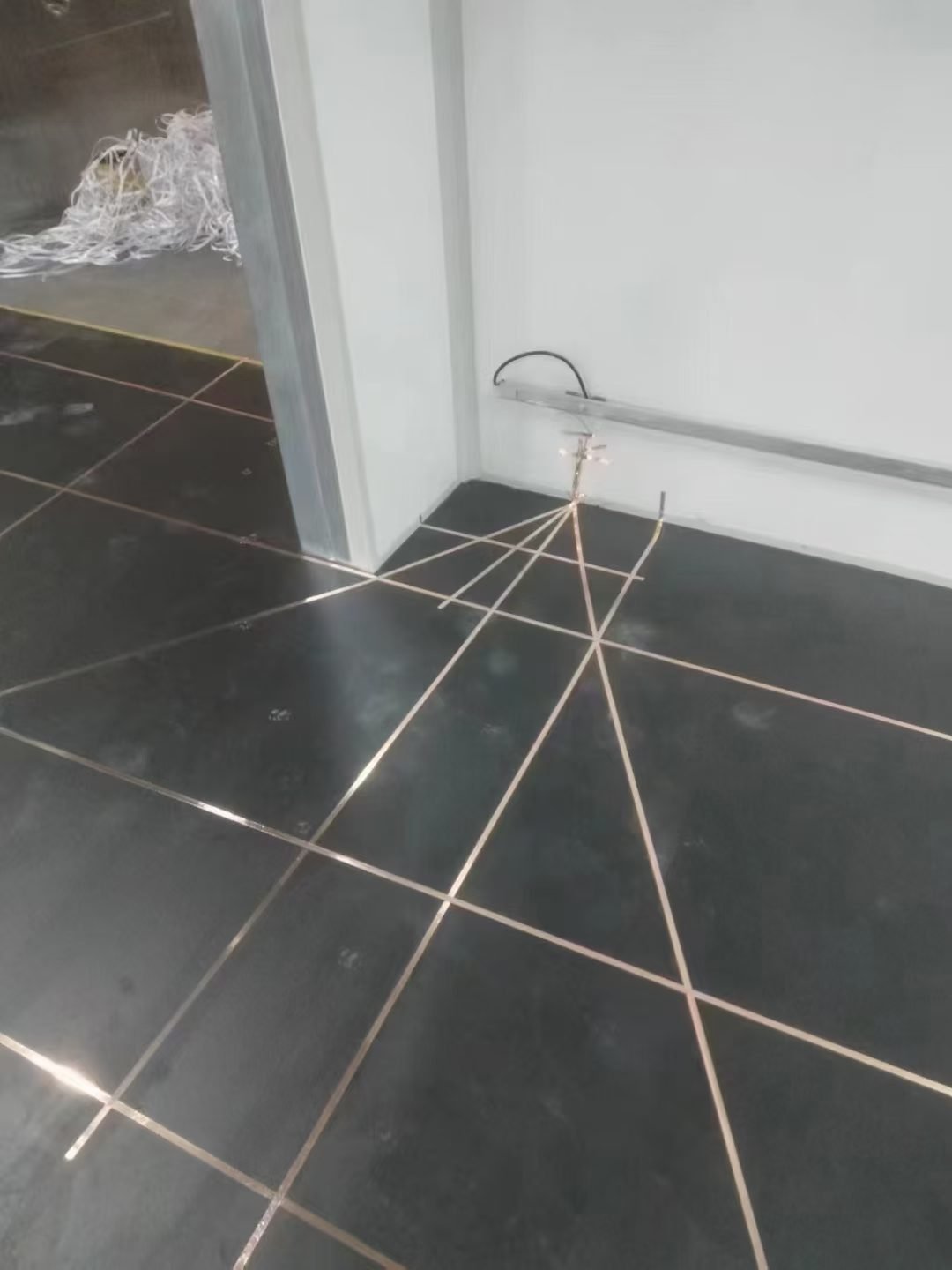
Surface grinding → epoxy primer → epoxy mortar levelling (two passes) → epoxy filler → 2 m × 2 m copper foil grounding grid → anti-static intermediate coat → anti-static self-levelling topcoat
Typische Schichtdicke
Typically 2 mm total; increased where the substrate is uneven or loads are heavier

For areas where flatness matters as much as static control: assembly zones, labs and warehouses in electronics plants. The epoxy mortar levels the slab first, the copper grid is laid in and bonded to the building earth, then the anti-static self-levelling topcoat goes down — seamless and dust-free. In areas with heavy foot or trolley traffic, a conductive polyurethane wear coat can be added.

Standard-Verarbeitungssequenz

Derselbe Boden mit denselben Materialien hält Jahre länger, wenn sorgfältig gearbeitet wird. Die sechs Schritte unten sind unsere Standardsequenz für Epoxidharzböden: was jeder Schritt leistet, nach welchem Standard und was wir bei der Abnahme prüfen. Für Ihre Halle stimmen wir Anzahl der Schichten und Dicke auf die tatsächlichen Lasten, Chemikalien und das Stillstandsfenster ab.

  1. 01

    Substrate preparation

    Grinding and dust extraction to a sound, dry, level slab. Electronics plants demand tighter flatness than ordinary workshops; high spots found by straightedge are patched before coating.

  2. 02

    Primer

    Epoxy primer seals the slab and ensures the conductive system bonds to it. Sealing is confirmed on site against the slab's porosity to prevent blistering later.

  3. 03

    Conductive layer & grounding

    Conductive coating with a copper grid laid in, connected to the building earth — the backbone of the whole ESD system. Copper strip spacing follows the designed resistance target, and every joint is crimped solid.

  4. 04

    Filler coat

    Conductive filler closes pinholes without breaking the electrical path. Interlayer resistance is measured right after application so any anomaly is corrected while access is easy.

  5. 05

    Anti-static topcoat

    Anti-static self-levelling is poured and finished seamless. The surface is left to cure undisturbed in a clean, dust-free environment.

  6. 06

    Resistance testing & handover

    Surface resistance is measured point by point before handover, and documented. Test points are laid out on a grid across the whole area; the record is archived as the acceptance baseline.

Fotos von der Baustelle

Fertige Böden, vor Ort fotografiert — zum Vergrößern klicken und Details prüfen.

Electronics production hall

Anti-static self-levelling over a copper grounding grid, seamless from wall to wall.

SMT line area

Glossy anti-static surface that wipes clean and keeps dust away from the lines.

Battery plant floor

Anti-static system resistant to electrolyte spillage in the handling zones.

Referenzprojekte

Eine Auswahl der von der Gruppe realisierten Projekte.

  • CATL flooring framework

    A group framework cooperation newly awarded in 2025: supplying workshop flooring materials for CATL sites, delivered and applied in batches to match the build programme of its new-energy plants.

  • BYD workshop floor project

    Workshop flooring for BYD production bases. With intense logistics in new-energy workshops, floors are specified separately for heavy-traffic lanes and assembly areas, balancing wear resistance and flatness.

  • SVOLT (Great Wall Motor Beehive) project

    Floors for SVOLT (Great Wall Motor) power-battery plants, including visitor showcase areas. Battery workshops demand cleanliness and moisture control; floor systems are configured zone by zone to the workshop function.

  • OPPO Indonesia smart manufacturing center

    Flooring for the OPPO smart manufacturing centre in Indonesia. The overseas project was executed to local schedules and acceptance standards, with materials supplied directly from our domestic plants.

  • Haier Group manufacturing bases

    Home-appliance manufacturing leaves its own marks on a floor: constant pallet-truck traffic, heavy press lines and local wash-down zones. We supply flooring for Haier Group plants, choosing systems zone by zone according to the process.

  • China Mobile and State Grid facilities

    Telecom and power facilities — equipment rooms, substations and workshops — need floors that do not shed dust and stay easy to maintain, with anti-static options where equipment demands it. We supply flooring materials and application services to China Mobile and State Grid sites.

Häufige Fragen

Was Einkäufer bei der Spezifikation einer Bodenbeschichtung am häufigsten fragen.

What surface resistance should the floor have?

It depends on your standard — electronics plants usually specify a controlled static-dissipative range, while explosive-storage areas need conductive values. Tell us the requirement and we build to it; the measured results are documented at handover.

Mehr erfahren
Do we need our own grounding points?

The copper grid inside the floor must connect to the building earth. If your plant has grounding bars, we tie into them; otherwise the earth connection point needs to be arranged before we start.

Mehr erfahren
Can anti-static and easy-clean go together?

Yes. The anti-static self-levelling topcoat is seamless and dense — dust has nowhere to settle and it wipes clean.

Mehr erfahren
Will electrolyte spillage damage the floor?

The cured anti-static surface tolerates occasional spillage when cleaned up as part of normal operation; zones with frequent contact should be pointed out at design stage so we can reinforce them.

Mehr erfahren
How do we verify the system after installation?

Surface resistance is measured point by point on the finished floor, and the readings are documented for your acceptance file. Our product test reports are available on each product page.

Mehr erfahren

Erzählen Sie uns von Ihrem Boden

Senden Sie uns Untergrund, Fläche und die Belastungen, denen der Boden standhalten muss. Sie erhalten ein empfohlenes System, eine Aufbauskizze und ein Angebot — in der Regel innerhalb eines Werktags.

Angebot anfordern